

In some ways, publishing music has never been easier.
All you have to do is choose a DAW, learn a thing or two about music theory, find a music distributor, and voilà! Furthermore, with the rise of AI music, you might even be able to skip one or two steps and get your music ready in no time.
And yet, the responsibility of having to handle everything ourselves can feel unbearable. Now everything is, potentially, in the hands of music producers: from composition to distribution, post-production and copyright clearance; what were once separated tasks assigned to arrangers, labels, legal departments and more, can be executed by a single person: the artist.
This led to an immense amount of music being published every day: about 120,000 tracks daily in 2024, which is as much music as was published in the entirety of 1989.
The only way to stand out in this ocean of sound is to have a) great music, and b) a solid release strategy.
Today we'll discuss the latter, and specifically, the importance of singles: the perfect format to stay in touch with your audience, test new sounds, and build your online presence.
- Releasing Singles vs. Albums
- Work Out Your Budget
- Is Your Music Ready?
- Clearing Samples
- Artwork
- Credits
- Distribution
- Single Pitching
- Reward Your Loyal Fans
- TikTok and Reels Strategy
- YouTube and Spotify Optimization
- Email Strategy
- On Release Day
- The Week After Release
- Two Weeks After Release
- Final Thoughts
Releasing Singles vs. Albums
In a music marketing strategy, singles and albums serve two different purposes, and a synergy of the two is what can make a career skyrocket.
In general, singles can be one of two things: they can anticipate a long-form release, or be standalone publications that show a different sonic direction.
If you release one or more singles before releasing a full-length album, you're using them to build momentum and excitement for your upcoming release. This has been an effective marketing strategy even before the digital era, and it's just as useful now when you release your work on Spotify and the like.
Releasing a single to showcase a new creative direction is also a great way to test the waters without investing money and time in a dead-end project.
- Want to see how your audience reacts to a more experimental sound signature?
- Want to collaborate with a new producer but you’re not sure how your audience will react?
- Are you a hip-hop producer with an idea for a ukulele-based concept album?
Try releasing a single and see how it goes. Whether your audience will love it or not, you’ll be better informed as to where to take your creative path next.
Albums are usually a collection of songs that are cohesive in terms of sound and themes covered. It's a deep dive into the artistic moment of a musician, depicting their emotional and creative state in the form of a sonic journey.
It’s usually a deeper and more demanding endeavor than releasing a single, but it also showcases an artist’s maturity and ability to create more complex work.
In summary, you shouldn’t pick one or the other, but rather use both release formats to maintain and develop the connection between you and your audience.
Work Out Your Budget
One of the most painful and often ignored aspects of releasing a single is careful budgeting.
This is because musicians start from the assumption that it’s going to be easier and less costly to publish one song instead of ten. That is true in principle, but since singles are often one aspect of a larger marketing strategy; releasing multiple singles without proper planning can quickly make the process stressful and expensive.
First of all, decide how many singles you’re planning to release. If you know you’re publishing more than one single, you can work out a set budget with a designer for the cover art, create a synergic and cost-saving marketing strategy, and maybe save on post-production.
Think about what you’re going to be spending on:
- Recording, mixing and mastering
- Cover art and visuals
- Music video or promo clips (if you need them)
- Photography and press shots
- Marketing and advertising
- PR and playlist pitching services
- Merchandise or physical copies
You’ll see how much easier it is to stick to a marketing plan once you have a clear schedule and budget in place. Planning removes the stress of wondering where money will go at the last minute and allows you to think long-term instead.
More importantly, it stops you from derailing your entire release campaign, which happens constantly when artists run out of money and can't do justice to the music they worked so hard to create.
6 Weeks before Release Day
Six weeks before launch day is when everything needs to come together.
Is Your Music Ready?
Before anything else, your audio needs to be completely finalized. This means having the final master in your hands, ready to be uploaded to all distribution platforms.
Needless to say, your master has to sound great on any possible playback system. Listen to it multiple times, find inspiring reference tracks, check on different speakers and headphones, and get feedback from other listeners and producers. Once you upload to your distributor, making changes can be hard. Check out our article on audio mastering to find out more.
Add ISRC codes to every track if your distributor or mastering engineer hasn't done that already.
Finally, your metadata needs to be perfect: song title spelled correctly, artist name exactly as you want it to appear, and any featured artists properly credited. These details become crucial when it’s time to calculate revenues and to show your professional approach.
Clearing Samples
If you've used any samples in your track, they must be cleared and fully licensed before release. This isn't optional, and the time to handle this is now, not after release when problems arise.
If you used a vocal sample, a drum break or anything else, you need to contact the copyright owners and inform them about your usage of their work; it’ll be up to them to decide whether you can use it, and if so, how much you’ll need to pay for it.
Finding the rightful copyright owner is not always easy, so if you want to avoid the headache, head over to the Sample Focus' immense sample library, featuring community-based and free-to-use samples that don't require clearance.
Artwork
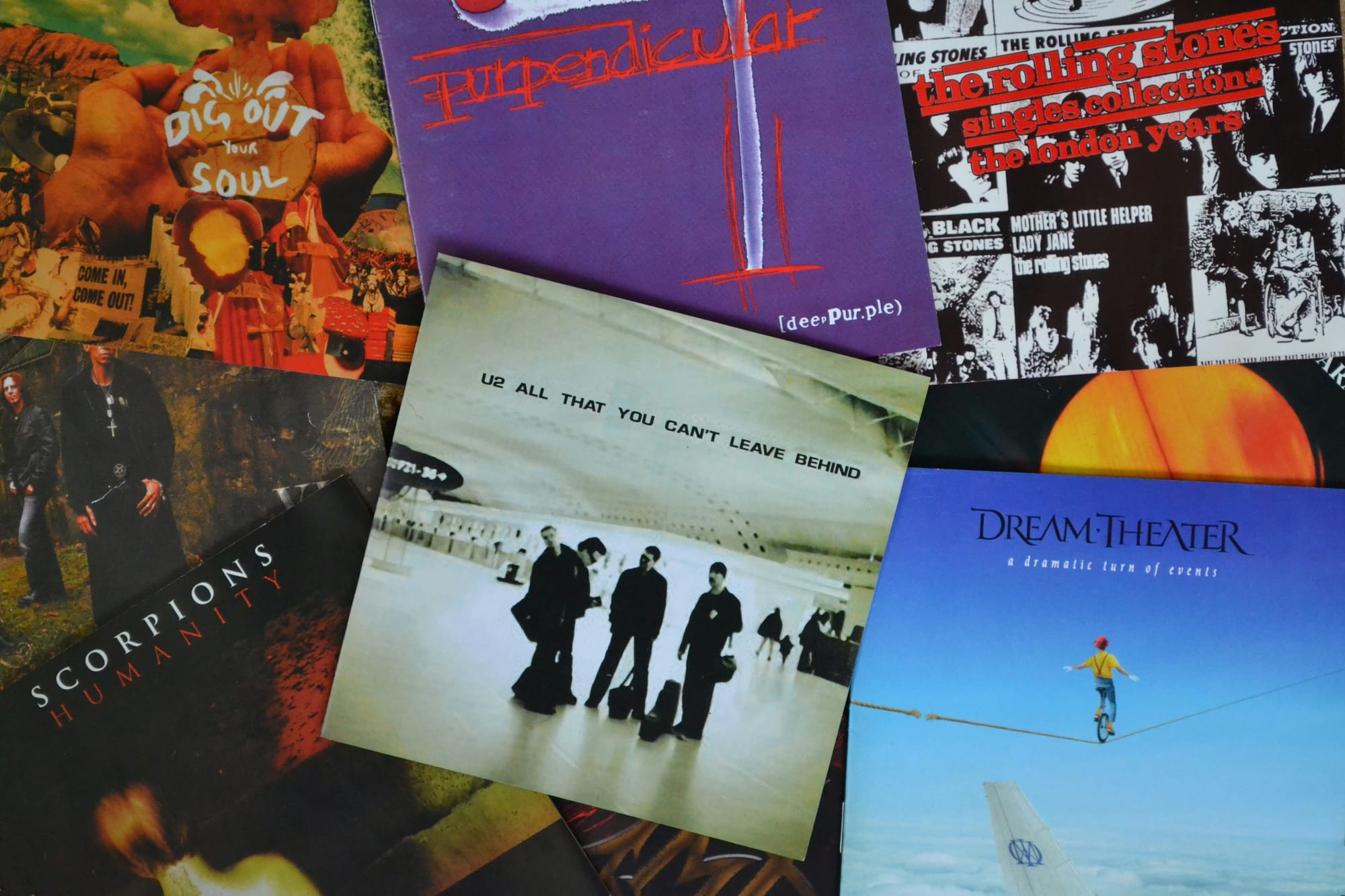
Regardless of how people listen to your music, the cover art is the first thing they’ll see, which means the visuals have to look professional on any streaming platform or physical format.
I’m not going to discuss the creative side of cover art. Instead, I’ll state only practical requirements and suggestions:
- You need a square image of at least 3000 x 3000 pixels.
- Avoid text-heavy designs that become illegible at small sizes.
- Make sure the artwork looks good both as a large image and as a small thumbnail.
- No nudity or any other visually-offensive visuals that might get your music banned.
If you’re looking for inspiration, I’d recommend Pinterest. Instead, if you’re looking for free-to-use images, check out Unsplash.
Credits
Now that most music platforms allow including credits in every song, it's important to clearly show who wrote the song, who performed on it, who produced it, who mixed and mastered it.
This is crucial not only to give credit where it is due, but also to make sure everyone gets paid and visibility for their work on your music; it’s the easiest way to build long-lasting relationships in the industry.
Before publishing your single, and in order to get paid when your music is performed publicly, register your song with your PRO (Performing Rights Organization): PRS in the UK or ASCAP/BMI in the US, or whichever organization operates in your country.
Also register your sound recording with your CMO (Collective Management Organization), PPL in the UK or SoundExchange in the US, which guarantees proper licensing and royalty collection for every work registered.
If your song goes viral, both registrations become critical in protecting your work, and creating a reliable revenue stream from your work.
Distribution
Choose your distributor if you haven't already. Options are endless these days, and we’ve talked about this in detail in a recent article, so I won’t delve too deep into this.
Make sure you understand their payment terms, what percentage they take, and how fast and reliable they are in delivering and monitoring your music.
Upload your final master, cover art, and lyrics. Set your release date at least six weeks before launch day. This will give you enough time to pitch editorials, Spotify playlists and magazines.
Just Before Release Day
Now that your music is ready, it’s time to spread the word before it goes live.
Single Pitching
At least a week before launch day, focus your energy on pitching your music to playlists and magazines. Over time, I’d suggest you build a database of playlist curators, music blogs and writers who feature music similar to yours, which you can contact whenever you have new music coming out.
On streaming platforms, playlist pitching is quite straightforward: sign up to Spotify for Artists and Apple Music for Artists, where you’ll be able to see your upcoming releases and pitch them to the appropriate playlist curators.
When you pitch directly to independent playlist curators outside of streaming platforms, it’s good etiquette to send personalized emails with a private streaming link (usually SoundCloud or Google Drive), your EPK or one-pager and an explanation of why your track fits their playlist.
Although I’ve never used them personally, there are platforms designed to help you pitch your music directly to playlists and blogs, like SubmitHub or MusoSoup. Bear in mind that you have to pay in order to pitch your music with these tools, so make sure you use them carefully and only pick playlists and editorials worth the money.
Reward Your Loyal Fans
You know your audience better than anyone else. What can you offer your fans to make them feel appreciated?
There’s no golden rule here, but one thing is certain: you should use the days before releasing your single to build anticipation and redirect your followers to places where they’ll be able to listen to your music as soon as it’s published.
Share teaser clips, behind-the-scenes content, and snippets that get people excited. Launch a pre-save campaign so that fans can add your track to their library before release, which will boost first-day streaming numbers.
Host Q&As, private listening parties or live streams with your followers. Let them feel part of your journey, because they are.
Once again, planning is critical. Create a simple spreadsheet with a timeline with tasks that lead to the release date, and make adjustments as you refine your strategy.
TikTok and Reels Strategy
TikTok and Instagram are currently fueling the music economy, so not taking these two platforms into account when promoting your music is a recipe for disaster.
Short-form video has been the strongest organic discovery engine for artists of all levels, so it’s important to craft visual formats that can go viral. Easier said than done, right?
Even if you're not familiar with these platforms, there are ways to make viral-friendly posts.
Publish variations on the same idea: different angles, new hooks, alternative sections of the track, but always using a recognizable video format. This repetition “teaches” the algorithm who to show your content to and helps viewers recognize your song. Always use the official sound linked to your release, and acknowledge any fan-made videos by commenting or sharing.
Needless to say, content must be grounded in genuine artistry. Build a narrative around your single, how it was made, what it means, how you produced it, or what inspired it, always focusing on what this work means to you and what you wish to convey through it.
People will always value genuine passion, and your content on Instagram and TikTok should show that.
YouTube and Spotify Optimization
YouTube and Spotify are long-tail discovery platforms; there, your music will be accessible to listeners indefinitely, giving your music the chance to be discovered by different listeners throughout the years or even generations.
On Spotify, before publishing your single, make sure you update your profile with new visuals, refresh your bio, upload Canvas, and set an Artist Pick for your new single. Also ensure your lyrics are synced with Musixmatch.
It might seem trivial, but on YouTube, proper titles and tagging are the main factors that'll help generate long-term traffic; have clear titles with your artist name, track name and descriptors like “Official Audio” or “Lyric Video.” Make your video descriptions keyword-rich and include credits, a short bio, and links where people can buy music or get more content.
Official videos should have appropriate credits, and if one of your videos becomes popular, update its description regularly to update your audience on your latest endeavors.
Email Strategy
I’m always shocked when I hear artists don’t use a newsletter to connect with their audience, so let me be absolutely clear on this: your email list is the only thing you actually own.
Why is that? Because social media platforms come and go, their popularity rises and declines, and while this has little to do with your artistry, it can have a huge impact on how you reach your fans. Imagine building an entire online marketing strategy on X in 2021…
Unlike followers, email subscribers are a stable and direct line of communication with your fans, unbounded by algorithms and trends.
Start by adding an email subscription to your website or blog. There are many options depending on your host, but popular options like Ghost or Bandzoogle come with integrated mailing options. Alternatively, you can connect email marketing tools like Mailchimp or Klaviyo to your website, and invite visitors to subscribe.
Now, why should people subscribe to your newsletter? Start with simple incentives: behind-the-scenes content, early demos, exclusive discount codes, private livestream access, or anything else you can come up with that’d make subscribers feel valued.
As for the actual single release strategy, each should have its own sequence of emails: an announcement weeks before release, a reminder shortly before launch, a release-day message with direct links, and follow-ups highlighting reviews, extra content, promotional gigs, and so on.
A CRM-based approach allows you to segment your fanbase by geography, engagement or interest level; this can become a priceless tool in the long run for touring, targeted ads, and building momentum.
Release Day (and Beyond)
The more time you spend making your single ready for publication, the less stressful launch day will be. Now let's talk about the big day!
On Release Day
First of all, make sure your single is actually online: check the release’s page on your distributor’s dashboard, and then head over to the most popular streaming platform to check if your latest release is there.
Check that all information (title, credits, cover) is correct. Play the music to make sure it sounds right (no changes in volume or audio dynamics).
When you’re 100% sure, share your streaming links everywhere. Post them on every social platform, in your bio, in stories, and in dedicated posts. Make it as easy as possible for people to click and listen.
Post your visualizer or tease your music video if you have one. Send your email announcement to your mailing list immediately: remind them it's out now and include direct links to stream it.
Launch your ad campaigns on Meta and TikTok. Wait until release day to run these so that when people click your ad, they can immediately stream the track; there's no point paying for ads before people can actually listen.
The Week After Release
Keep the momentum going. Continue sharing content, and engage actively with your fans: reply to comments, repost stories where people share your track, and thank people personally for their support.
If you already have a fully engaged audience, you might release video and audio together, but for most emerging artists, spacing them out works better. For instance, you can release the video one to two weeks after the audio; this gives you another promotional moment and fresh content to share.
Share every milestone and achievement:
Got added to a playlist? Share it.
Hit a certain number of streams? Celebrate it.
Got a blog feature or nice quote about your track? Post it.
At the end of the day, it’s all about building momentum for as long as possible, so that your music will reach all the potential listeners who might resonate with it.
Two Weeks After Release
Never forget that you can still get added to playlists after release day. Music history is full of sleeper hits, so keep pushing for as long as needed.
Keep reaching out to curators and blogs throughout the month following release; you can also send reminders to those who didn’t reply the first time you contacted them. Keep running targeted ads if they're working. Monitor your analytics to see what's driving streams and adjust accordingly.
Collaborate with other artists for cross-promotion. Find artists with similar audience sizes and musical styles, and help each other out.
Keep going for a month. Your promotional efforts shouldn't stop after a few days; before release day, nobody could actually stream your single, so the real work of building streams and connecting with listeners happens after release.
Share your content wisely, keep pushing your work, and always try new ways to reach fans across all platforms they might use.
Monitor, Analyze, and Adjust your Strategy
The best way to see how your release is doing is by using Spotify for Artists, social media analytics, and data from your distributor.
Here’s what you should look into when monitoring your campaign’s performance:
- Where are people listening from?
- Who are your listeners (age, location, gender)?
- Which playlists are driving the most streams?
- What content performed best on social media?
Careful analysis will inform your future campaigns. Identify what worked and what didn’t, what you can improve, and new opportunities to implement next time.
Write great music. Plan a solid marketing campaign. Release. Analyze. Repeat.
Final Thoughts
I hope this guide will help you release a successful single next year!
Remember that there’s no one-size-fits-all solution here, and you’re the one who knows your audience better than anyone else. So follow your instinct, learn from your mistakes, and never give up.
And if you need samples for your next release, make sure you check out our community-driven, free-to-use library, where you'll find countless professional and unique audio samples to add to your work.
Good luck!
Comments